
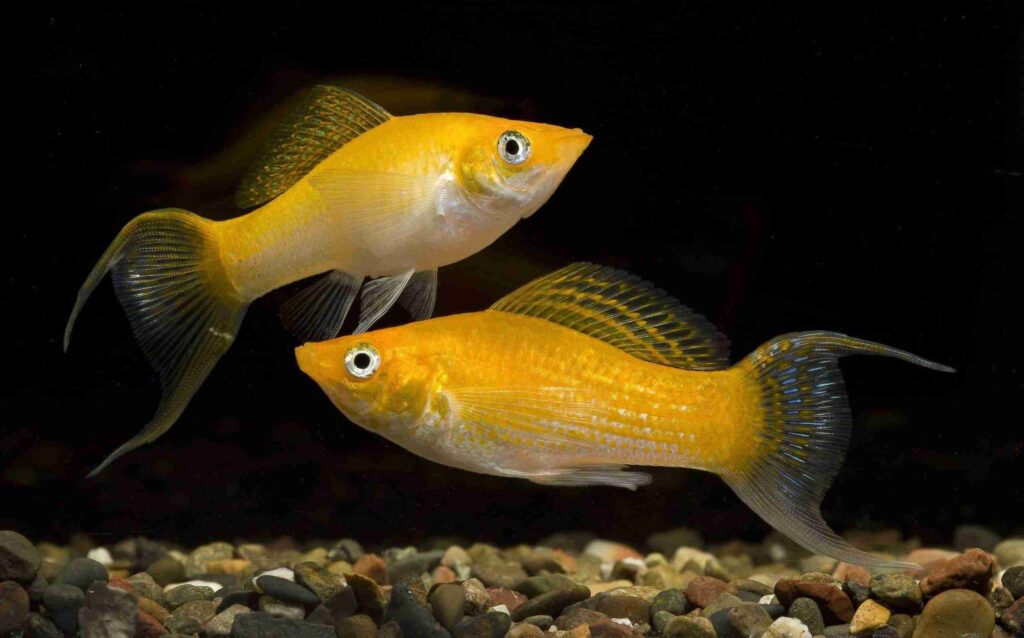
Mollies are small, colorful fish loved by many aquarium fans. They come from Central America. Mollies live in fresh water and sometimes in salty water. These fish are peaceful and fun to watch. They are also easy to care for, making them great for beginners.
This guide will help you learn how to care for mollies well. You will find tips on tank setup, water quality, feeding, and breeding. Taking care of mollies is simple if you know the right steps.
About Molly Fish
The molly fish’s scientific name is Poecilia sphenops. They belong to the family Poeciliidae. Mollies have many colors, including black, silver, and spotted. They are active swimmers and like to explore their tank.
Mollies grow up to 4 inches long. They live for about 3 to 5 years with good care. Mollies are livebearers, which means they give birth to live baby fish, called fry.
Tank and Water Conditions
Mollies need a good home to stay healthy. The tank size, water temperature, and cleanliness are very important. Here are the key points:
- Tank Size: At least 20 gallons for a small group of mollies.
- Water Temperature: Keep water between 75°F and 82°F (24°C to 28°C).
- pH Level: Mollies prefer a pH between 7.5 and 8.5.
- Water Hardness: Moderate to hard water is best for mollies.
It is important to keep the water clean. Mollies are sensitive to poor water quality. Test the water every week for harmful chemicals like ammonia, nitrites, and nitrates. Use a water test kit to check these levels.
Change 20% to 30% of the water every week. This helps remove waste and keeps the water fresh. Use a water conditioner to remove chlorine from tap water before adding it to the tank.
Diet and Feeding
Mollies are omnivores. They eat both plants and meat. Feeding them a balanced diet keeps them healthy and colorful.
Here are good food options for mollies:
- Flake foods made for tropical fish.
- Pellets designed for small fish.
- Frozen or live foods like brine shrimp and bloodworms.
- Green foods like algae or blanched vegetables (peas, spinach).
Feed your mollies small amounts two to three times a day. Only give what they can eat in 2 minutes. Too much food makes the water dirty and harms fish.
Tank Setup
Mollies like space to swim and places to hide. A good tank has plants and open swimming areas.
- Use live or fake plants to create hiding spots.
- Choose smooth gravel or sand for the tank floor.
- Add decorations like caves or rocks for shelter.
- Use a gentle filter to keep water clean but not too strong.
- Make sure the tank has a lid to prevent fish from jumping out.
Choose peaceful fish as tank mates. Good partners include guppies, platies, and tetras. Avoid big or aggressive fish that may harm mollies.

Credit: www.aquariumcoop.com
Breeding Mollies
Mollies are livebearers. They do not lay eggs. Instead, they give birth to live baby fish called fry.
To breed mollies, follow these tips:
- Keep one male with two or three females to reduce stress.
- Provide dense plants for fry to hide from adults.
- Feed pregnant females extra food for health.
- After birth, move fry to a separate tank if possible.
Fry grow fast and need small foods like crushed flakes or baby brine shrimp. Keep the water clean to help fry survive.
Signs of Stress and Illness
Healthy mollies are active and eat well. Watch for signs of stress or sickness:
- Loss of color or dull appearance.
- Clamped fins or hiding a lot.
- Slow swimming or floating strangely.
- Not eating or spitting out food.
- White spots, red marks, or torn fins.
If you see these signs, test water quality first. Poor water often causes illness. Change water and clean the tank if needed.
Do not add new fish without quarantine. New fish can bring diseases. Keep new arrivals in a separate tank for two weeks before adding to the main tank.
Tips for Happy Mollies
Here are simple tips to keep mollies happy and healthy:
- Keep the water clean with regular changes.
- Feed a varied diet every day.
- Provide plenty of space and hiding spots.
- Keep water temperature and pH stable.
- Choose peaceful tank mates.
- Watch your fish daily for any changes.
With good care, mollies will live long and brighten your aquarium. They are friendly fish that add life and color to any tank.
Summary Table: Molly Care Basics
| Care Aspect | Recommended Condition |
|---|---|
| Tank Size | 20 gallons or more |
| Water Temperature | 75°F – 82°F (24°C – 28°C) |
| pH Level | 7.5 – 8.5 |
| Water Hardness | Moderate to hard |
| Feeding | Flakes, pellets, live/frozen, green foods |
| Water Changes | 20-30% weekly |
| Tank Mates | Peaceful fish like guppies or tetras |
Mollies are wonderful pets. They offer joy with their bright colors and playful nature. With proper care, you can enjoy watching them for years.
Frequently Asked Questions
Are Molly Fish Easy To Take Care Of?
Molly fish are easy to care for with proper tank size, clean water (pH 7. 5-8. 5), and a balanced diet. They thrive in community tanks with plants. Regular water tests and maintenance ensure their health and happiness.
How To Take Care Of Molly?
Maintain molly fish with a 20-gallon tank, pH 7. 5-8. 5, and temperature 74-82°F. Feed varied omnivore diet. Provide plants and clean water weekly. Choose peaceful tank mates. Monitor water quality to avoid stress and promote health.
How Do I Tell If My Molly Is Stressed?
Signs of a stressed molly include rapid gill movement, hiding, loss of appetite, clamped fins, and erratic swimming. Poor water quality often triggers stress. Maintain clean water and proper tank conditions to reduce stress and keep mollies healthy.
How Do I Make My Molly Fish Happy?
Provide a spacious tank with clean, stable water (pH 7. 5-8. 5). Feed varied diet including plants and protein. Add plants for hiding. Maintain peaceful tank mates and regular water changes. This environment keeps molly fish healthy and happy.
What Is The Ideal Water Ph For Molly Fish Care?
Mollies thrive in water with a pH between 7. 5 and 8. 5 for best health.
How Often Should I Test My Molly Fish Tank Water?
Test water weekly for ammonia, nitrites, and nitrates to keep mollies safe.
What Do Molly Fish Eat In Captivity?
Feed mollies a mix of flakes, pellets, live, and green plant foods.
How Large Should A Molly Fish Tank Be?
A minimum 20-gallon tank allows mollies enough space to swim comfortably.