
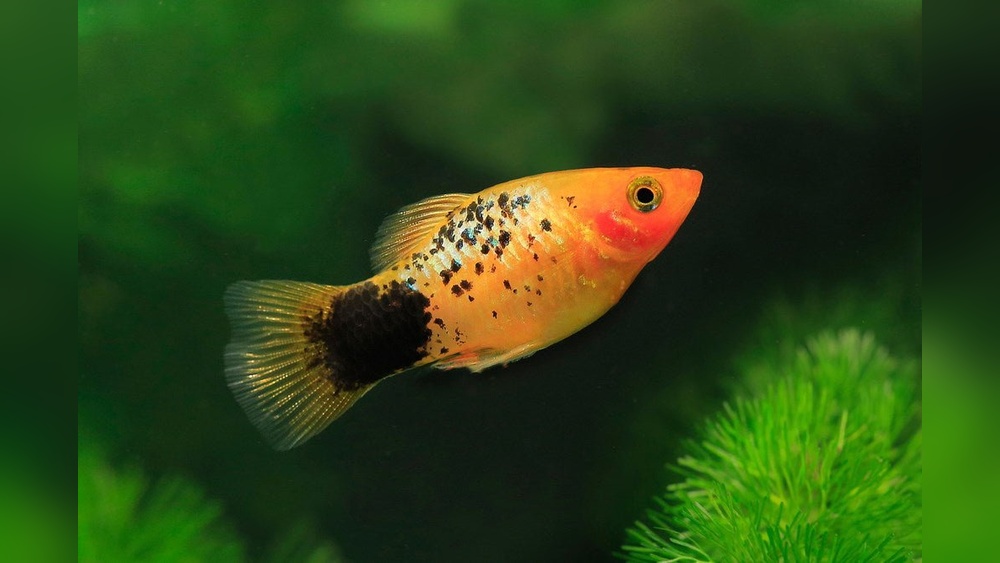
Platy fish are a popular choice for many fish lovers. They are small, colorful, and easy to care for. If you want to keep platies in your aquarium, this guide is for you. It will explain everything you need to know about platy care.
What Are Platy Fish?
Platies are small freshwater fish. They come from Central America. They are livebearers, which means they give birth to live baby fish. Platies are peaceful and like to live with other fish. They are perfect for beginners.
Tank Size and Setup
Choosing the right tank is important. Platies need space to swim and hide.
- Minimum tank size: 10 gallons for a small group
- Water temperature: 70–78°F (21–26°C)
- Water hardness: Medium to hard water is best
- pH level: Between 7.0 and 8.2
Use a soft substrate like sand or fine gravel. Platies like plants and decorations. Plants give them places to hide and feel safe. You can add rocks or driftwood too.
How Many Platies to Keep Together?
Platies are social fish. They like to live in groups. But too many can cause problems.
| Number of Platies | Tank Size | Notes |
|---|---|---|
| 3 to 6 | 10 gallons | Good number for beginners |
| More than 6 | 20 gallons or more | Need bigger tank and careful care |
Keep more females than males. A good ratio is one male for every two or three females. This helps reduce stress on females. Males often chase females to breed. Hiding places help females escape.
Feeding Your Platy Fish
Platies are not picky eaters. They eat many types of food.
- High-quality flake food
- Pellets made for tropical fish
- Frozen or live foods like brine shrimp or bloodworms
- Vegetables such as blanched spinach or zucchini
Feed small amounts two times a day. Don’t overfeed. Leftover food makes water dirty. Remove extra food after a few minutes.

Credit: www.aquaticlivefood.com.au
Water Care and Maintenance
Clean water is very important for platies. Dirty water can cause illness.
- Test water weekly for ammonia, nitrites, and nitrates
- Change 20-30% of the water every week
- Use a good water filter
- Keep water temperature stable
Use a water conditioner to remove chlorine and chloramine from tap water. Platies like oxygen-rich water. Use an air stone or filter that moves water well.
Platy Breeding and Fry Care
Platies breed easily. They give birth to live fry (baby fish). You may see many baby fish in your tank!
Breeding tips:
- Keep more females than males to reduce stress
- Use plants or breeding grass for fry to hide
- Separate pregnant females if possible
- Feed fry with crushed flakes or baby brine shrimp
Platies can have many babies. Plan what to do with them. You may want to give some away or sell them.
Tank Mates for Platy Fish
Platies are friendly fish. They do well with other peaceful fish.
Avoid big or aggressive fish. They might hurt your platies. Also, avoid fin-nippers like tiger barbs.
Common Problems and How to Avoid Them
Platies are hardy, but problems can happen.
| Problem | Cause | Solution |
|---|---|---|
| White spots on body | Ich parasite | Raise water temperature and treat with medicine |
| Cloudy eyes or fins | Poor water quality | Change water and clean tank |
| Fish hiding or not eating | Stress or illness | Check water quality and reduce stress |

Credit: www.aquariumcoop.com
Can Platies Live in a Pond?
Yes, platies can live in outdoor ponds. They like warm water and plants. But ponds must be safe from predators. Keep the water clean. Use pond plants for shelter.
Summary: Key Points for Platy Care
- Provide a 10-gallon or larger tank
- Keep water temperature between 70–78°F
- Use medium to hard water with neutral to basic pH
- Feed a varied diet with flakes and live foods
- Keep a group with more females than males
- Change water regularly and use a filter
- Add plants and hiding spots in the tank
- Choose peaceful tank mates
- Plan for breeding and fry care
Platies are great fish for beginners. They are colorful and easy to care for. With simple steps, you can keep your platies healthy and happy. Enjoy watching your lively fish swim around their home.
Frequently Asked Questions
How Many Platys Should Be Kept Together?
Keep three to six platys together for a balanced group. Maintain a male-to-female ratio of 1:2 or 1:3 to reduce stress. Provide hiding spots like plants or rocks to protect females from persistent males. Ensure sufficient tank size to accommodate their active nature.
How To Make Platy Happy?
Keep platies happy by providing a well-planted tank with hiding spots, stable water hardness, and a balanced diet. Maintain a male-to-female ratio of 1:2 or 1:3 to reduce stress. Feed varied foods and ensure clean, warm water between 70-78°F for optimal health and activity.
What Is The Lifespan Of A Platy Fish?
Platy fish typically live 2 to 3 years with proper care. Good water quality and a balanced diet extend their lifespan.
How To Tell If Platys Are Happy?
Happy platies swim actively, explore their tank, and eat well. They display vibrant colors and interact peacefully with tank mates.
How Many Platies Should Be Kept Together In One Tank?
Keep three to six platies together to ensure social interaction and reduce stress.
What Is The Ideal Male-to-female Platy Ratio?
A 1 male to 2-3 females ratio helps reduce male harassment and keeps females healthy.
What Tank Size Is Best For Platy Fish Care?
A 10-gallon tank or larger is ideal for housing a small group of platies comfortably.
Can Platies Live In Outdoor Ponds Safely?
Yes, platies, especially variatus types, can thrive in outdoor mini ponds with proper care.