
Introduction
If you’re thinking about adding a Raphael Catfish to your aquarium or you already own one, this guide is for you. I’ve spent years raising these fascinating bottom-dwellers, and I’ve learned that with the right tank setup, food, and patience, they become quietly charming companions. In this post I’ll walk you through tank setup, diet, water care, compatible tank mates, and common pitfalls — all based on research and real-world experience.
Quick answer for busy readers: Raphael Catfish do best in a well-maintained tank with soft substrate, plenty of hiding spots, stable water, and a varied sinking-food diet. With good care they live for many years and fit well in peaceful community aquariums.
What Is a Raphael Catfish — Types, Size & Life Span
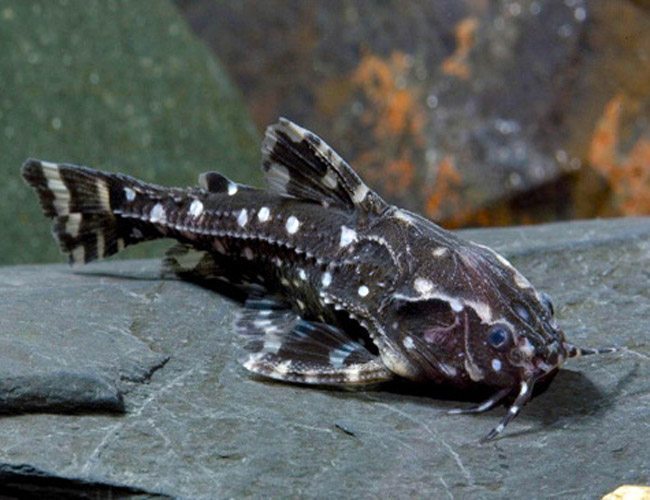
There are a few types commonly referred to as “Raphael Catfish,” but the most popular in home aquariums is the Spotted Raphael Catfish (scientific name Agamyxis pectinifrons).
-
Typical adult size is around 5.5–6 inches (14–15 cm).
-
Some similar species sold under the “Raphael” name — like Striped Raphael Catfish — may grow larger.
-
With proper care, a Raphael Catfish can live 10–20 years.
They hail from the Amazon basin in South America, a place of slow-moving, murky waters with soft bottoms, lots of roots, driftwood, and leaf litter. In the home aquarium, we mimic that environment to help them thrive.
Tank Setup: Creating a Natural, Safe Home
Tank Size & Substrate
-
Minimum tank size: A single Raphael needs at least 35 gallons (≈ 130 liters). Many keepers recommend 50–55 gallons (or larger) especially if you plan to keep several or add tank mates.
-
Substrate: Soft sand or very fine gravel is best. Their barbels — the whisker-like sensory organs — are sensitive, and rough gravel can irritate or damage them. Fine substrate supports their natural foraging and burrowing behaviors.
Water Conditions & Filtration
Aim for stable, moderate conditions rather than chasing extremes:
| Parameter | Ideal / Safe Range |
|---|---|
| Temperature | 72–79 °F (≈ 22–26 °C) |
| pH | ~5.5–7.5 (many succeed around 6.5–7.5) |
| Hardness (GH) | Soft to moderately hard — about 2–20 dGH acceptable |
-
Use a good filter — biological filtration is key because Raphael Catfish are sensitive to poor water quality.
-
Aim for gentle to moderate water flow. Too strong currents stress bottom dwellers.
Decor, Hides & Lighting
Raphael Catfish are nocturnal and shy. To make them feel secure and at home:
-
Provide lots of hiding spots: driftwood, caves, rock crevices, PVC pipes — places they can retreat during the day.
-
Add live or artificial plants — they help diffuse light and replicate natural cover. Floating plants or dense foliage can make the tank feel more natural.
-
Lighting: Keep light low or diffuse it. Bright light can stress them out, making them hide all day. A blue “moonlight” for nighttime viewing helps observe their behavior without disturbing them.
Maintenance & Tank Care
-
Perform weekly or biweekly water changes (~20–30% volume), especially if the tank is moderately stocked. Keeping nitrates low is essential.
-
Clean substrate gently, especially around hiding spots. Avoid overly stirring gravel under caves/wood — that can stress or injure hiding fish.
-
Avoid moving or netting them carelessly. Their pectoral and dorsal spines are sharp and can snag nets or injure skin. Use a plastic container or cup instead.

Diet & Feeding: What to Offer Your Raphael Catfish
What They Eat
Raphael Catfish are omnivores and scavengers. In the wild they eat small crustaceans, insect larvae, mollusks, and detritus. In captivity, a varied diet keeps them healthy and active.
Good food options include:
-
Sinking catfish pellets or wafers — ideal as a staple because they sink to the bottom where the catfish dwell. I highly recommend Hikari Tropical Sinking Wafers.
-
Frozen or live meaty foods — bloodworms, brine shrimp, chopped earthworms, insect larvae, etc. These simulate their natural diet and boost protein intake.
-
Occasional vegetable/spirulina-based pellets or wafers — raphaels aren’t herbivores, but a bit of plant matter helps round out nutrition.
Feeding Tips from Experience
-
Feed at dusk or after lights-out — they are nocturnal bottom dwellers; feeding while lights are on often means pellets get eaten by other fish first, or the Raphael stays hidden.
-
Offer a mix of sinking pellets and occasional frozen/live treats. Variety keeps them healthy and encourages natural foraging behavior.
-
Remove uneaten food quickly — leftover food degrades water quality, which Raphael Catfish are sensitive to.
🐟 Pro tip from my tank: When I first got a Raphael, he wouldn’t come out for food. I started dropping sinking pellets near his hiding wood at night. Within two nights he poked his head out. Over time he began exploring the bottom for leftovers.
Tank Mates & Social Setup
One of the nice features of Raphael Catfish is how well they fit into peaceful community tanks — as long as you pick compatible tank mates and avoid overcrowding.
✅ Good Tank Mates
-
Peaceful mid-sized community fish like tetras, rasboras, gouramis, and non-aggressive cichlids (if large enough).
-
Other peaceful bottom dwellers that don’t compete aggressively for food or hiding spots — but avoid too many bottom dwellers in one small tank.
-
Middling to upper-water-level swimmers — fish that use different zones reduce competition and stress.
⚠️ Fish or Creatures to Avoid
-
Very small fish, shrimp, or snails that could be eaten at night. Raphael Catfish are opportunistic scavengers.
-
Aggressive, territorial, or fin-nipping species — those can harass or stress the Raphael.
-
Overcrowding bottom layer — too many bottom dwellers leads to stress and competition for hiding spots and food.
Raphael Catfish are peaceful, nocturnal, shy bottom-dwellers. They rarely compete for territory — but they need hiding places so they feel safe.
Behavior, Temperament & What to Expect
-
Raphael Catfish spend most daylight hours hiding among wood, rocks, or plants. They become active at night.
-
They are part of the “talking catfish” family — they may produce audible clicks or croaks if stressed or handled (by rubbing their fin-spines or vibrating their swim bladder).
-
They are not flashy show fish — you may not see them often. But they play a useful role as scavengers, cleaning debris and leftover food from the bottom.
In my own tank, the first Raphael I got hid for a week. After I added more driftwood and a sand floor, he slowly began coming out at night — typically when lights went off, and often just to grab a pellet and retreat. That calm, shy presence feels almost zen — like a quiet roommate who only shows up when dinner is ready.
Common Problems & How to Avoid Them
| Problem | Cause | Solution / Prevention |
|---|---|---|
| Raphael hides constantly, never comes out | Stress, bright light, no hiding spots, substrate discomfort | Use soft sand, add caves/wood/plants, keep lighting dim, feed at night |
| Damage to barbels | Rough or sharp gravel | Use soft sand or fine gravel |
| Poor appetite or weight loss | Water quality issues, wrong diet, competition for food | Maintain clean water, feed sinking pellets or meaty food at dusk, avoid aggressive tank mates |
| Injury when netting/moving | Spines on fins, handling with net | Use plastic container or cup for moving; avoid nets or bare hands |
| Short lifespan / health decline | Poor water maintenance, high nitrates/ammonia, unstable parameters | Regular water changes, stable pH/temperature, good filtration |
I learned the hard way: once I skipped substrate cleaning for several weeks, the bottom of my tank got dusty, water quality dropped, and the Raphael became thin and sluggish. After I vacuumed the sand gently, improved filtration, and stuck to regular changes — he bounced back in a matter of days.
My Personal Lessons & Tips
-
Patience matters. Your fish may hide for days. It’s normal. Build a comfortable environment and give it time.
-
Feed at night. This makes a huge difference. Sinking pellets dropped near hiding spots often bring them out.
-
Don’t expect a show fish. Raphael Catfish are shy and nocturnal. Enjoy them quietly — sometimes you’ll only see them flicker across the bottom.
-
Sand substrate is worth it. Protects barbels, mimics natural habitat, encourages natural behavior.
-
Greedy tank mates can reduce visibility. Fast-swimming or voracious fish (like some cichlids or loaches) may eat food first — leaving little for the Raphael. Make space for bottom feeding.
Summary / Quick Reference Card
Species: Raphael Catfish (Spotted / Striped varieties)
Adult Size: ~ 5.5–6 in (some types grow larger)
Lifespan: 10–20 years (with good care)
Tank Size: Minimum 35 gal; 50+ gal recommended for comfort or group keeping
Substrate: Soft sand or fine gravel
Water: Temp 72–79 °F; pH ~5.5–7.5; soft to moderately hard water
Lighting: Dim / subdued
Décor: Driftwood, caves, rocks, live/plastic plants
Diet: Sinking pellets, frozen/live meaty foods, occasional veggie wafers
Feeding Time: Dusk or after lights out
Tank Mates: Peaceful mid-sized fish, avoid small shrimp/fry or aggressive predators
Behavior: Nocturnal, bottom-dwelling, shy, peaceful, “talking” catfish
Frequently Asked Questions (FAQ)
Q: How big will my Raphael Catfish get?
A: Most commonly kept species reach about 5.5–6 inches (14–15 cm). Some varieties — especially under ideal conditions — may grow a bit larger, but typically stay in that size range.
Q: What size tank do I need for a Raphael Catfish?
A: For a single Raphael, 35 gallons is the minimum. For comfort, especially with tank mates or multiple Catfish, a 50–55 gallon (or larger) tank is much better.
Q: What should I feed my Raphael Catfish?
A: A staple of sinking catfish pellets or wafers is great. Supplement regularly (but not daily) with frozen or live meaty foods like bloodworms, brine shrimp, or chopped earthworms. Occasionally add vegetable/spirulina wafers for variety. Feed at dusk or after lights out.
Q: Why does my Raphael hide all day and only come out at night?
A: That’s their natural behavior. Raphael Catfish are nocturnal and shy. They spend daylight hours hiding under wood, rocks, or plants — and become active at night when it’s safer and quieter.
Q: Are Raphael Catfish good for community aquariums?
A: Yes — they are peaceful, bottom-dwelling, and get along well with calm mid-sized fish. Avoid housing them with very small fish or aggressive predators, and ensure they have hiding spots and enough food at night.
Q: How long do these catfish live?
A: With proper care — stable water, clean tank, good diet and environment — many live 10–20 years. It’s a long-term commitment but that longevity is part of their appeal.
Conclusion
If you’re ready for a pet that’s a little mysterious, a little serene, and quietly rewarding — a Raphael Catfish might be the perfect choice. They don’t flash bright colors or dart around all day. Instead they offer calm, nocturnal companionship, natural bottom-dwelling behavior, and a subtle presence that grows on you.
Treat them with patience, respect their shy nature, keep their tank clean, feed wisely — and they’ll reward you with years of peaceful aquarium life.