
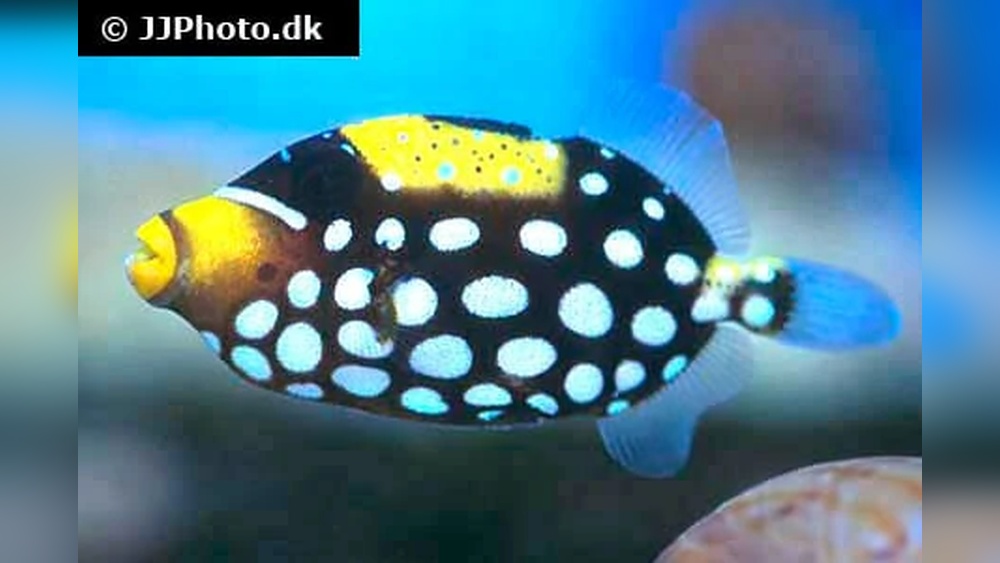
The Clown Triggerfish is a bright, beautiful fish from the ocean. It has big white spots and colors that look like a clown’s suit. Many people want to keep this fish in their home aquarium. But taking care of it needs some knowledge and care. This guide will help you understand how to care for the Clown Triggerfish well.
What is a Clown Triggerfish?
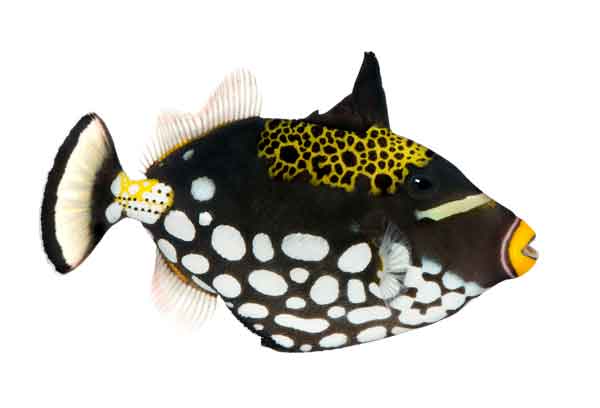
The Clown Triggerfish (Balistoides conspicillum) is a saltwater fish. It lives in warm ocean waters near coral reefs. It is famous for its bold black body with big white spots and yellow spots on the belly. The fish can grow very big, up to 20 inches or more.
Because of its size and colors, many people want to keep it. But it is not a fish for small tanks or beginners who do not know much about saltwater fish.
Tank Size and Setup
The most important thing for Clown Triggerfish is a big tank. They need space to swim and explore. A small tank will make them stressed and unhealthy.
| Fish Age/Size | Minimum Tank Size |
|---|---|
| Juvenile (small) | 75 gallons (285 liters) |
| Adult (full size) | 180 gallons (680 liters) or more |
Tip: Bigger tanks are always better for Clown Triggerfish. They like to swim a lot.
The tank should have strong water flow and good filtration. This fish produces waste, so clean water is very important. Use a filter that can handle the size of the tank and the fish.
Water Conditions
Clown Triggerfish needs water like its ocean home. Keep the water clean and stable.
- Temperature: 74 to 80°F (23 to 27°C)
- pH: 8.1 to 8.4
- Salinity: 1.020 to 1.025 specific gravity
- Ammonia and Nitrites: 0 ppm (zero)
- Nitrates: Less than 20 ppm
Check water often with a test kit. Change part of the water every 1-2 weeks to keep it clean.
Diet and Feeding
The Clown Triggerfish is a carnivore. It likes to eat meat from the sea. In the wild, it eats shrimp, crabs, mollusks, and small fish.
In the tank, you can feed it:
- Frozen or fresh shrimp
- Squid
- Crab meat
- Clams and mussels
- Prepared carnivore pellets or flakes
Feed your fish once a day. Give only what it can eat in 5 minutes. Overfeeding can cause water problems.
Tip: Offer a mix of foods to keep your fish healthy.
Behavior and Temperament
The Clown Triggerfish can be aggressive. It may chase or bite other fish. It does not like small or shy fish.
Young Clown Triggerfish are more peaceful. But as they grow, they become more territorial and aggressive.
It is best to keep them with large, strong fish. Avoid small or slow fish that can get bullied.
Tank Mates
Choosing the right tank mates is very important. Here are good and bad choices:
| Good Tank Mates | Bad Tank Mates |
|---|---|
| Large Angelfish | Small Tetras |
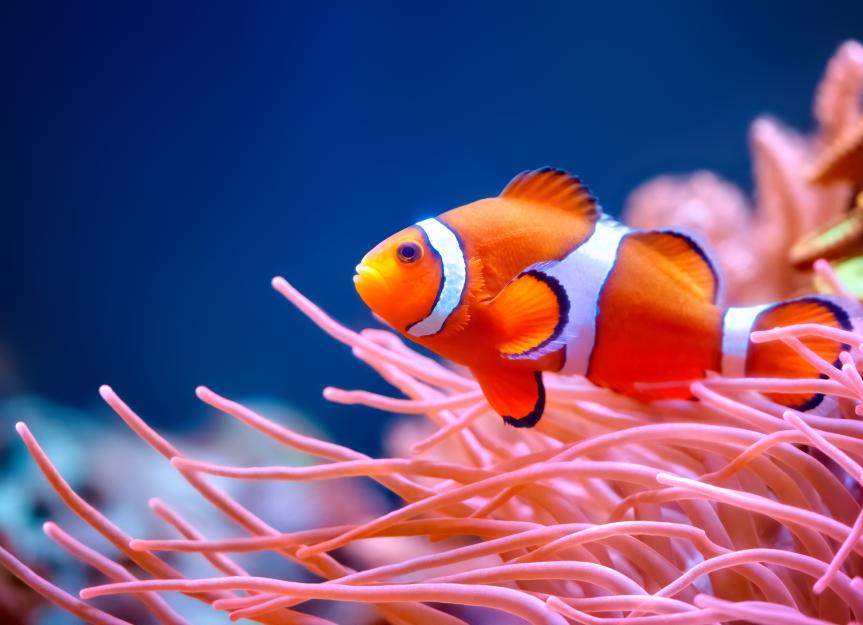
| Tangs | Clownfish (small species) |
| Groupers | Seahorses |
| Other Large Triggerfish (only if tank is very big) | Slow-moving Fish |
Watch your fish closely at first. If you see fighting, you may need to separate them.
Tank Decoration and Environment
Clown Triggerfish like caves and hiding places. Use rocks or artificial caves for shelter. This helps reduce stress.
They may dig or move things around. Use heavy rocks and secure the decorations well.
Do not keep delicate corals with this fish. It may bite or eat them.
Credit: saltwateraquarist.com
Health and Common Problems
Clown Triggerfish are strong fish but can get sick if the tank is not right.
Common problems include:
- Ich (white spots on the body)
- Fin rot (damaged fins)
- Bacterial infections
Keep the water clean and stable. Quarantine new fish before adding them to the tank. This helps prevent disease.
If you see signs of illness, act fast. Use medicines made for saltwater fish. Ask a fish store or vet for help.
Credit: www.ecoparkcampogrande.com.br
Breeding Clown Triggerfish
Breeding this fish in home tanks is very hard. They need a very large tank and special care.
Most people keep them as pets only. Breeding is done mostly by professionals or in large aquariums.
Summary: Easy Tips for Clown Triggerfish Care
- Provide a large tank (75 gallons or bigger).
- Keep water clean and stable with good filtration.
- Feed a varied diet of meat foods once daily.
- Choose tank mates carefully; avoid small or shy fish.
- Give hiding places with rocks or caves.
- Watch for signs of illness and treat quickly.
- Do not keep with delicate corals or slow fish.
Clown Triggerfish are beautiful and unique pets. They need care and respect. If you are ready to give them a big tank and good food, they can live many years.
Enjoy watching your Clown Triggerfish swim and explore. They are strong, active, and full of life. With the right care, they will be a stunning part of your aquarium.
Frequently Asked Questions
What Size Tank Does A Clown Trigger Need?
A clown triggerfish needs a minimum tank size of 125 gallons. Large tanks provide ample swimming space and reduce aggression.
Are Clown Triggerfish Easy To Care For?
Clown triggerfish require a large tank, stable water conditions, and a carnivorous diet. They can be aggressive and need experienced care.
Is Clown Trigger Aggressive?
Clown triggerfish become increasingly aggressive as they age. They often attack other fish, especially similar species. Young ones show some sociability but grow territorial over time. Provide ample tank space to reduce aggression. Avoid keeping them with small or timid fish for a peaceful aquarium.
What Do Clown Triggerfish Eat?
Clown triggerfish eat crustaceans, mollusks, small fish, shrimp, squid, and occasionally marine algae and corals. They are carnivorous and active hunters.
What Tank Size Is Best For Clown Triggerfish Care?
A minimum 100-gallon tank is ideal to provide enough space for swimming.
How Aggressive Is A Clown Triggerfish Toward Other Fish?
Clown triggerfish can be very aggressive, especially as they get older.
What Diet Should I Feed My Clown Triggerfish?
Feed carnivore foods like shrimp, crabs, mollusks, and high-quality frozen fish.
What Water Parameters Suit Clown Triggerfish Tanks?
Maintain temperature 74-80°F, pH 8. 1-8. 4, and salinity 1. 020-1. 025 specific gravity.