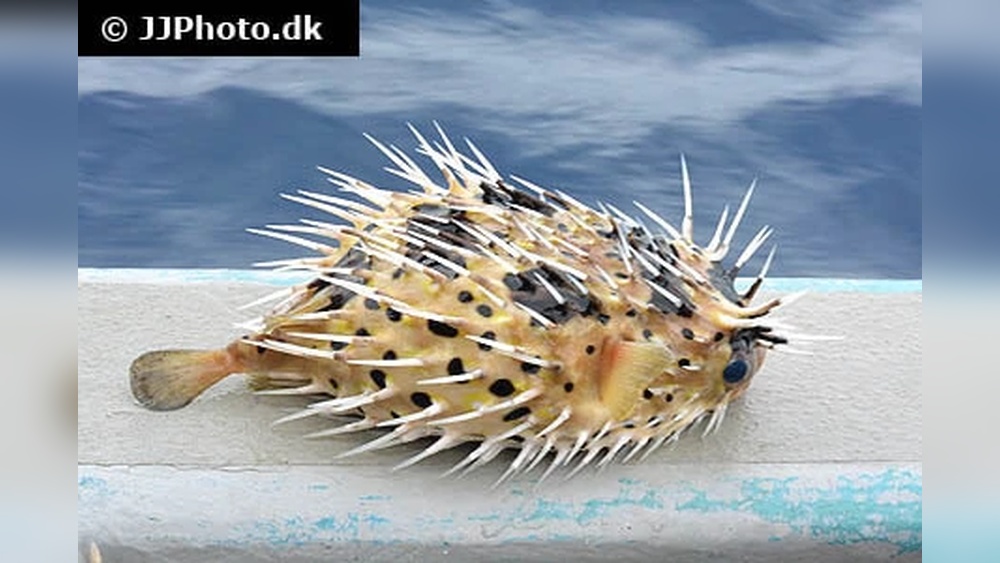
The Porcupine Pufferfish is a unique and interesting fish. It has sharp spines and can puff up when scared. Many people want to keep it as a pet. But taking care of this fish needs some special knowledge. This guide will help you learn how to care for your Porcupine Pufferfish well.
What is a Porcupine Pufferfish?
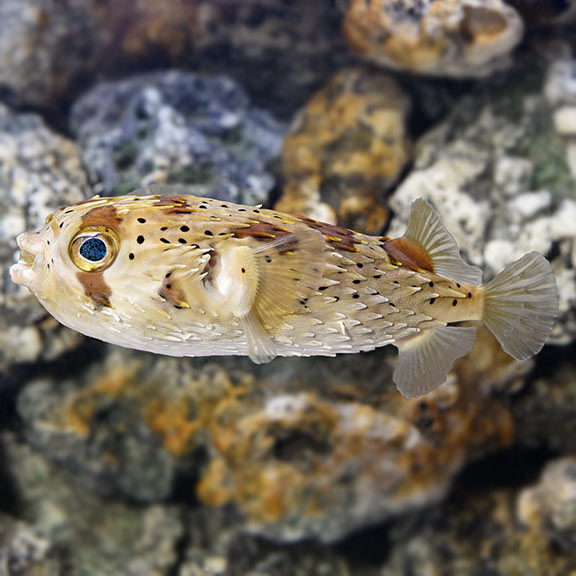
The Porcupine Pufferfish is a type of marine fish. Its scientific name is Diodon hystrix. This fish lives in warm oceans. It is famous for its ability to swell up and show sharp spines. This helps protect it from predators. When calm, it looks like a normal fish with smooth skin.
Tank Size and Setup
Porcupine Puffers need a big tank. They can grow up to 20 inches long. A tank of at least 75 gallons is best. Larger tanks work better because these fish swim a lot.
Here are important points for the tank setup:
- Use saltwater with the right salt mix.
- Keep the water temperature between 74°F and 80°F.
- Use a good filtration system to keep water clean.
- Add live rock for hiding spots and natural cleaning.
- Use sand or crushed coral as the tank bottom.
Water Quality is Very Important
Porcupine Puffers are sensitive to water changes. Clean water helps keep them healthy. Test your water regularly for these:
| Parameter | Ideal Range |
|---|---|
| Salinity (Specific Gravity) | 1.020 – 1.025 |
| pH | 8.1 – 8.4 |
| Ammonia | 0 ppm |
| Nitrites | 0 ppm |
| Nitrates | < 20 ppm |
Change 10-20% of water every week. This keeps the tank healthy for your pufferfish.
Feeding Your Porcupine Pufferfish
Porcupine Puffers love to eat hard-shelled food. This helps wear down their teeth. Their teeth grow fast and can become too long. If teeth grow too much, the fish can’t eat well.
Good food options are:
- Crustaceans like shrimp and crabs
- Mussels and clams with shells
- Snails
- Frozen or live krill
- Vitamin-enriched flakes or pellets
Feed your fish 3-4 times a week. Use tweezers to give food to reduce mess. Feeding shell-on food often helps keep teeth healthy. Some keepers feed krill once a week for variety.
Tank Mates and Behavior
Porcupine Puffers are not very aggressive. They can live with many fish types. But be careful with small fish. Puffers might try to eat them.
Good tank mates include:
- Medium to large peaceful fish
- Non-aggressive bottom dwellers
- Fish that swim fast and avoid puffers
Avoid very small or slow fish. Puffers may see them as food.
Health and Common Problems
Porcupine Puffers can get sick like other fish. Watch for signs of illness:
- Loss of appetite
- Swelling or spots on skin
- Strange swimming or hiding
- Rapid breathing
Good water quality helps prevent disease. Quarantine new fish before adding them. This stops spread of germs.
Credit: www.liveaquaria.com
Why Is Filtration Important?
Pufferfish produce a lot of waste. This can dirty the water quickly. A strong filter keeps water clean. Consider a protein skimmer. It removes organic waste well.
Regular water changes and cleaning keep your tank healthy. This makes your Porcupine Puffer happy.

Credit: fantaseaaquariums.com
Keeping Teeth Healthy
Porcupine Puffers have strong teeth. They grow like a beak. If teeth get too long, the fish can’t eat. This causes health problems.
Feed plenty of shell-on food. This helps grind teeth down naturally. Some owners use special tools to check teeth length. If teeth grow too long, a vet can trim them.
Tank Decoration Tips
Use smooth rocks and live coral. Avoid sharp objects. Puffers can hurt themselves on sharp items. Provide hiding spots with caves or tubes.
Keep the tank open for swimming. Porcupine Puffers like space to move around.
Lighting and Temperature
Moderate lighting is best. Bright lights can stress your fish. Use a timer to keep light cycles regular. Around 10-12 hours of light per day works well.
Keep temperature stable. Avoid sudden changes. Use a heater and thermometer to monitor tank temperature.
Summary Table: Porcupine Pufferfish Care
| Care Aspect | Recommendation |
|---|---|
| Tank Size | Minimum 75 gallons |
| Water Temperature | 74°F – 80°F |
| Water Salinity | 1.020 – 1.025 specific gravity |
| pH | 8.1 – 8.4 |
| Diet | Shell-on seafood 3-4 times/week |
| Tank Mates | Medium to large peaceful fish |
| Filtration | Strong filter, protein skimmer preferred |
| Water Changes | 10-20% weekly |
Final Thoughts
Porcupine Pufferfish are fascinating pets. They need special care but are not very hard to keep. If you prepare a large tank, clean water, and good food, your fish will thrive. Watch its health and behavior daily. This helps you catch problems early.
Remember, patience is key. These fish grow slowly and need time to adjust. Enjoy your Porcupine Pufferfish and its unique personality.
Frequently Asked Questions
Are Porcupine Puffers Easy To Care For?
Porcupine puffers require a large tank, strong filtration, and regular water changes. They need a protein-rich diet and care to manage waste. Overall, they are moderately easy to care for but demand commitment and proper tank maintenance for health and happiness.
How Hard Is It To Keep Pea Puffers?
Pea puffers are moderately easy to keep with a tank of at least 5 gallons. They need clean, well-filtered water and a varied diet of live or frozen foods. Regular maintenance and monitoring water quality ensure their health and happiness in a home aquarium.
What Size Tank Does A Porcupine Puffer Need?
A Porcupine Puffer requires at least a 75-gallon tank. Large space supports its growth and swimming needs.
Are Porcupine Puffer Fish Aggressive?
Porcupine puffer fish are generally peaceful and not aggressive. They coexist well with most tank mates but may defend themselves if threatened.
How Large Should A Porcupine Pufferfish Tank Be?
A tank of at least 100 gallons is ideal to give enough space for swimming.
What Is The Best Diet For Porcupine Pufferfish?
Feed frozen or live crustaceans like shrimp, crabs, and clams for healthy nutrition.
How Often Should I Change The Water In The Tank?
Change 20-30% of the water weekly to maintain clean and stable water conditions.
Are Porcupine Puffers Aggressive Toward Other Fish?
They can be semi-aggressive, so choose tank mates carefully to avoid conflicts.