
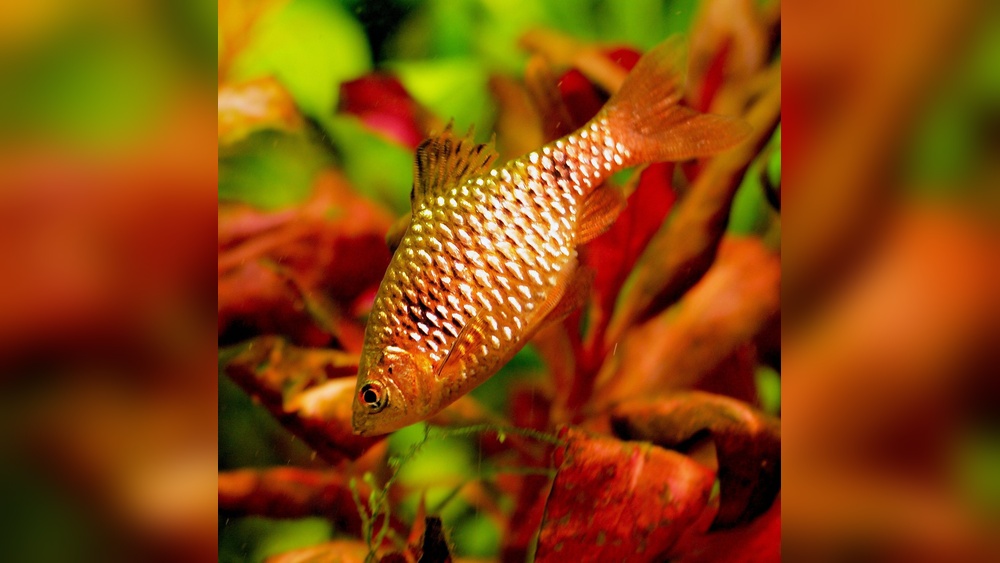
The rosy barb is a bright and active fish. It is a popular choice for many fish lovers. This fish is easy to care for and adds color to any aquarium. If you want a lively fish that is not hard to keep, the rosy barb is a good pick.
What is a Rosy Barb?
The rosy barb is a type of freshwater fish. It comes from rivers and lakes in India and Bangladesh. It has a pink or red color that shines in the tank. The fish grows to about 6 inches long. Its bright color can light up your aquarium.

Credit: www.kingbritish.co.uk
Why Choose Rosy Barbs?
- Easy to care for: They are strong and do not need special care.
- Active and playful: They swim a lot and enjoy moving around.
- Good for beginners: New fish owners can keep them without trouble.
- Bright colors: Their pink and red colors look great in tanks.
Tank Setup for Rosy Barbs
Setting up a good tank is key to keeping rosy barbs healthy. Here is what you need to know:
Tank Size
Rosy barbs need space to swim. A tank of at least 20 gallons is best. If you want more than six barbs, use a bigger tank. More space means less fighting and more swimming fun.
Water Conditions
| Water Feature | Ideal Range |
|---|---|
| Temperature | 64 to 72 °F (18 to 22 °C) |
| pH Level | 6.5 to 7.5 |
| Water Hardness | 5 to 19 dGH |
Keep the water clean. Change 25% of the water every week. Use a good filter for clear water. Rosy barbs like cool water, so avoid very warm tanks.
Tank Decorations
Rosy barbs enjoy plants and hiding spots. Use live or fake plants. Add rocks and caves for hiding. This makes the tank feel safe and natural.
How Many Rosy Barbs to Keep Together?
Rosy barbs are social fish. They like to live in groups. It is best to keep at least five to six together. Bigger groups make them happier and less stressed.
Why Keep Them In Groups?
- Reduces stress: Alone fish get scared and nervous.
- Stops fin nipping: Groups form pecking orders that reduce fighting.
- Better colors: Fish in groups show their best colors.
- Natural behavior: They swim and play like in the wild.
Group Size Recommendations
- Minimum: Five to six fish.
- Ideal: Six to ten or more for calm tanks.

Credit: www.aquariumsource.com
Feeding Rosy Barbs
Rosy barbs are not picky eaters. They eat many types of food. Here is what you can feed them:
- Flake food made for tropical fish
- Pellets for small fish
- Frozen or live foods like bloodworms or brine shrimp
- Vegetables like peas or spinach (blanched)
Feed small amounts two times a day. Do not overfeed. Extra food dirties the tank and can harm fish.
Managing Aggression in Rosy Barbs
Rosy barbs can sometimes be aggressive. This happens if they are alone or in small groups. They may nip fins of other fish. Here are tips to reduce aggression:
- Keep big groups: More than five fish helps spread out aggression.
- Choose tankmates well: Use fast, strong fish that do not have long fins.
- Avoid slow and long-finned fish: Fish like bettas or angelfish may get hurt.
- Provide hiding spots: Plants and caves help fish feel safe.
- Give enough space: A large tank lowers fights over territory.
Good Tankmates for Rosy Barbs
Rosy barbs do well with many fish. Pick fish that are fast and similar in size. Avoid small, slow, or long-finned fish.
| Good Tankmates | Notes |
|---|---|
| Other barbs | They have similar habits and size. |
| Danios | Fast swimmers, good companions. |
| Tetras | Small and active fish. |
| Small cichlids | Choose peaceful types. |
Health and Problems
Rosy barbs are strong fish but can get sick. Watch for these signs:
- Loss of color
- Not swimming well
- White spots or patches
- Clamped fins or hiding a lot
Common problems include fin rot and parasites. Keep water clean to avoid sickness. Quarantine new fish before adding to the tank.
Breeding Rosy Barbs
Breeding rosy barbs is possible for fish owners. They lay eggs in plants or on tank walls. Here are simple steps:
- Use a separate breeding tank with soft water.
- Keep temperature at about 72 °F (22 °C).
- Feed fish high-quality live food.
- Female lays eggs; male fertilizes them.
- Remove parents after spawning to protect eggs.
- Eggs hatch in 2 to 3 days.
- Feed fry with special food for small fish.
Summary Table: Rosy Barb Care at a Glance
| Care Aspect | Details |
|---|---|
| Tank Size | At least 20 gallons |
| Water Temperature | 64 to 72 °F (18 to 22 °C) |
| pH Level | 6.5 to 7.5 |
| Group Size | Minimum 5-6, ideal 6-10+ |
| Feeding | Flakes, pellets, frozen/live food |
| Tankmates | Fast, peaceful fish without long fins |
| Common Problems | Fin rot, parasites, aggression |
Final Thoughts
Rosy barbs are bright, active, and easy to care for. They bring life to any aquarium. Keep them in groups for best health and happiness. Provide clean water and good food. Choose the right tankmates to avoid fights. With simple care, rosy barbs can live happily for years.
If you want a colorful and lively fish, try rosy barbs. They are a great choice for beginners and experts alike. Enjoy their beauty and energy in your home tank.
Frequently Asked Questions
How Many Rosy Barbs Should Be Kept Together?
Keep at least five to six rosy barbs together to reduce stress and aggression. A group of six to ten is ideal for natural behavior and vibrant colors. Smaller groups may cause fin-nipping and stress, so maintain a proper school for their well-being and peaceful tank environment.
Are Rosy Barbs Easy To Keep?
Rosy barbs are easy to keep due to their hardiness and active nature. Keep at least five together to reduce aggression. They thrive in community tanks with compatible, similarly sized fish. Provide adequate space and plants for a healthy environment.
Are Rosy Barb Fish Aggressive?
Rosy barb fish show mild aggression, especially if kept alone or in small groups. Keep at least five to six together. Larger schools reduce fin-nipping and stress. Choose compatible, hardy tankmates to minimize aggressive behavior and maintain a peaceful aquarium environment.
Are Rosy Barbs Fin Nippers?
Rosy barbs can nip fins, especially if kept in small groups. Keeping six or more reduces fin-nipping behavior. They thrive best in larger schools to minimize aggression and protect other fish’s fins. Proper tank mates and adequate space also help prevent fin nipping by rosy barbs.
How Many Rosy Barbs Should I Keep Together?
Keep at least five to six rosy barbs together to reduce stress and aggression.
What Tank Size Is Best For Rosy Barbs?
A 20-gallon tank or larger is ideal for a small group of rosy barbs.
What Water Temperature Do Rosy Barbs Prefer?
Rosy barbs thrive in water temperatures between 64°F and 72°F (18°C to 22°C).
What Do Rosy Barbs Eat In An Aquarium?
Feed rosy barbs a mix of flakes, pellets, and occasional live or frozen foods.