The upside-down catfish is a unique and fun fish to keep. It swims upside down most of the time. This makes it special and interesting for fish lovers. If you want to care for one, you need to learn some basics. This guide will help you take good care of your upside-down catfish.
What Is an Upside-Down Catfish?
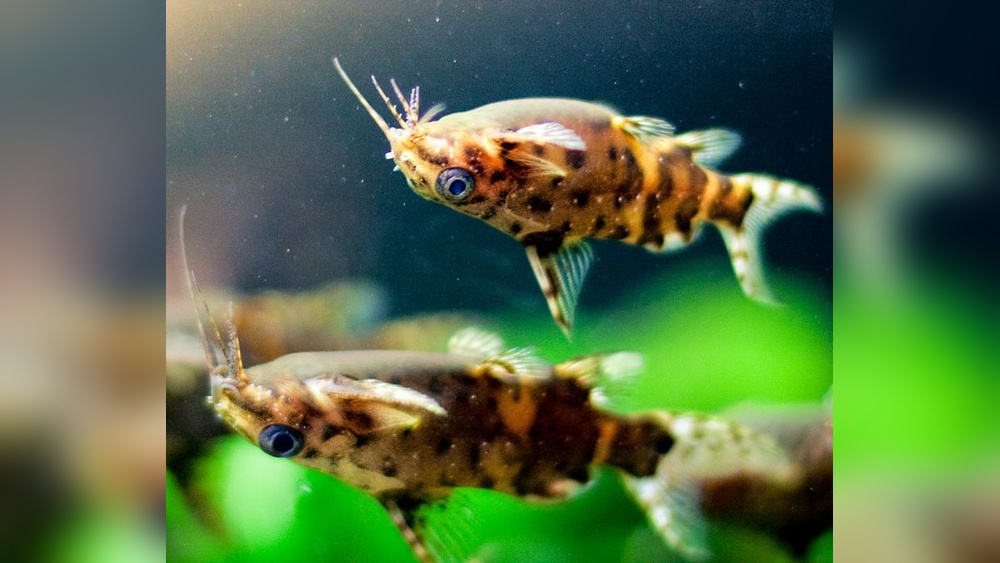
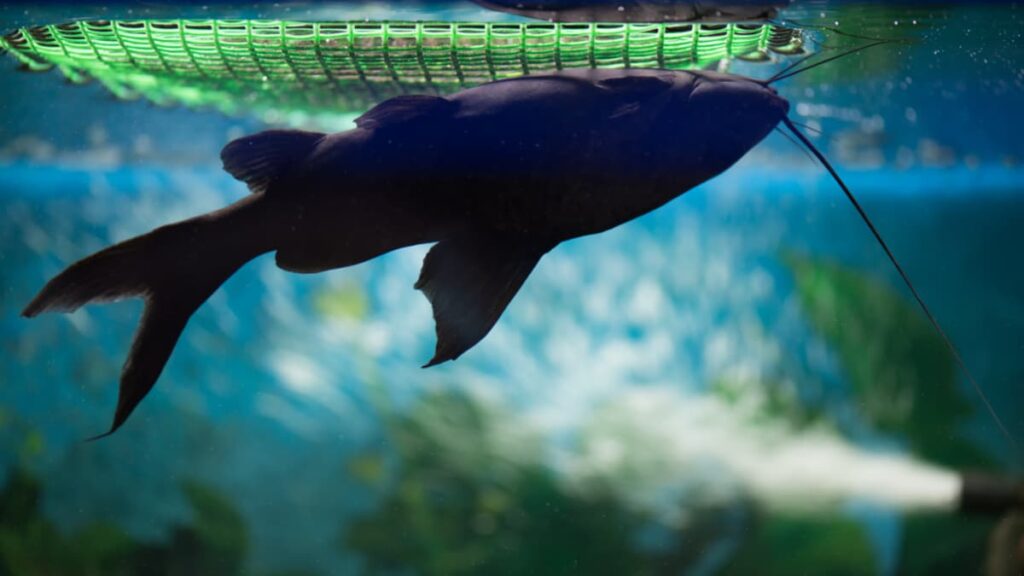
The upside-down catfish is a small fish. It is from Africa, where it lives in rivers and lakes. It gets its name because it swims upside down. This helps it eat food from the water surface. It also hides under leaves and logs easily. Many people like to keep it in their home aquariums.
Tank Setup for Upside-Down Catfish
A good tank is very important. It must be safe and comfortable for the fish. Here are some points to remember.
- Tank Size: At least 20 gallons for one or a small group.
- Tank Shape: A long tank is better than a tall tank.
- Cover: Use a tight lid. These fish can jump out.
- Decorations: Add caves, driftwood, and plants. They like places to hide and rest.
- Substrate: Use soft sand or small smooth gravel.
- Lighting: Moderate light works well. Too bright can stress the fish.
Water Parameters
Good water quality is key for healthy fish. Here is what you need to check.
| Parameter | Ideal Range |
|---|---|
| Temperature | 72°F to 82°F (22°C to 28°C) |
| pH Level | 6.0 to 8.0 (slightly acidic to neutral) |
| Water Hardness | Moderately soft to moderate |
| Ammonia and Nitrite | 0 ppm (zero) |
| Nitrate | Less than 20 ppm |
These fish are sensitive to nitrates. Change water often. Partial water changes of 25% every week help. Use a good filter to keep water clean.
Feeding Your Upside-Down Catfish
Feeding is simple but important. These fish eat many foods in the wild. You can feed them in the tank easily.
- Food Types: Sinking pellets, flakes, granules, and frozen or live foods like bloodworms and brine shrimp.
- Feeding Schedule: Feed once or twice daily.
- Portion Size: Small amounts. Do not overfeed.
- Competition: They are active eaters. Make sure they get enough food if with other fish.
Avoid leftover food. It pollutes water. Remove uneaten food after 5 minutes.
Tank Mates and Compatibility
Upside-down catfish are peaceful fish. They live well with other calm fish. Here are points to keep in mind.
- Temperament: Peaceful and social. They like groups of their own kind.
- Good Tank Mates: Small tetras, rasboras, gouramis, and other peaceful fish.
- Avoid: Large or aggressive fish that may harm them.
- Schooling: Keep at least 3-5 upside-down catfish together. They feel safer in groups.
Handling and Safety
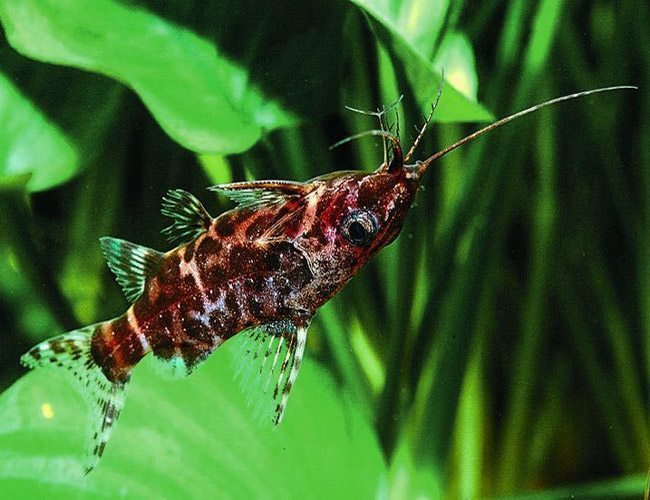
These catfish have sharp spines. Their pectoral fins and dorsal fin have strong spines. Be careful when handling or netting them. They can cause painful punctures. Use a soft net and handle gently.
Health and Common Problems
Upside-down catfish are hardy but can get sick. Watch for these signs:
- Lethargy or hiding more than usual
- Loss of appetite
- White spots on body or fins
- Frayed or torn fins
- Fast breathing or gasping at surface
Keep water clean and stable. Quarantine new fish before adding them. This helps prevent disease.
Credit: azgardens.com
Lifespan and Growth
Upside-down catfish can live 5 to 8 years. Some live longer in good care. They grow to about 3 to 4 inches long. Growth is steady if you feed well and keep good water.
Tips for a Happy Upside-Down Catfish
- Provide hiding spots with plants and caves.
- Keep water clean with regular changes.
- Feed a varied diet for nutrition.
- Keep in groups to reduce stress.
- Use gentle lighting and avoid sudden changes.
- Watch for signs of illness and act early.
Credit: www.chewy.com
Summary
Caring for an upside-down catfish is fun and rewarding. They are interesting fish with unique habits. Provide a tank with good space, clean water, and proper food. Keep them in groups and choose peaceful tank mates. Watch their health and handle carefully. Follow these steps and your upside-down catfish will live a happy life.
Frequently Asked Questions
What Do Upside-down Catfish Need In A Tank?
Upside-down catfish need a tank with soft, slightly acidic to neutral water (pH 6. 0-8. 0). Provide hiding spots like caves and plants. Maintain excellent water quality with regular partial changes. Feed varied sinking pellets, flakes, and frozen foods once or twice daily.
Keep peaceful tank mates.
Are Upside-down Catfish Hardy?
Upside-down catfish are hardy and adaptable, thriving in moderately soft, slightly acidic to neutral water. They tolerate various conditions but need clean water and hiding spots. Regular water changes and stable tank environments keep them healthy and active.
How Long Does An Upside-down Catfish Live?
Upside-down catfish live about 5 to 8 years with proper care. Stable water, balanced diet, and clean tank extend their lifespan.
Are Upside-down Catfish Fin Nippers?
Upside-down catfish are not fin nippers. They are peaceful, but their strong fin spines can cause injury if mishandled.
What Tank Size Is Ideal For Upside-down Catfish?
A 20-gallon tank or larger provides enough space for their swimming and hiding needs.
What Water Parameters Suit Upside-down Catfish Best?
They prefer moderately soft water with a pH between 6. 0 and 7. 5 for optimal health.
How Often Should I Change Water For These Catfish?
Partial water changes of 20-30% every week keep their tank clean and safe.
Are Upside-down Catfish Peaceful With Other Fish?
Yes, they are generally peaceful and do well with non-aggressive tank mates.