
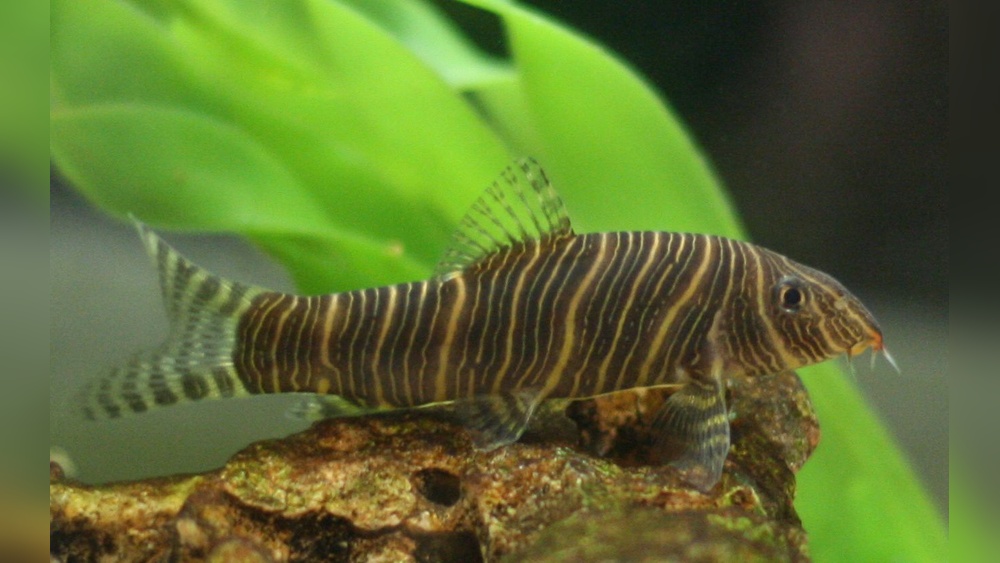
Zebra Loaches are small, striped fish that live in freshwater aquariums. They are peaceful and active fish. Many people love their black and white stripes. This guide will help you learn how to care for Zebra Loaches well.
What Are Zebra Loaches?
Zebra Loach is a type of loach fish. Its scientific name is Botia striata. They come from rivers in India. These fish like to swim near the bottom of the tank. They are also called “striped loaches” because of their zebra-like pattern.
Zebra Loaches are social. They like to live in groups. They are peaceful but can be a bit playful or boisterous. This means they move quickly and like to explore.
How Many Zebra Loaches Should You Keep?
Zebra Loaches feel safe in groups. You should keep at least five Zebra Loaches together. If you keep six or more, they will show more natural behaviors. They will also feel more secure.
When alone or in small numbers, Zebra Loaches may hide a lot. They can get stressed and shy. A bigger group helps them feel happy and active.
Tank Size and Shape for Zebra Loaches
Zebra Loaches need space to swim near the tank bottom. A longer tank is better than a tall tank. This gives more room for swimming.
A good tank size for five Zebra Loaches is at least 30 gallons (about 115 liters). If you want a bigger group, use a larger tank.
| Number of Zebra Loaches | Minimum Tank Size (Gallons) | Minimum Tank Size (Liters) |
|---|---|---|
| 5 | 30 | 115 |
| 6-8 | 40 | 150 |
| 9 or more | 55+ | 210+ |
Tank Setup for Zebra Loaches
Zebra Loaches need a comfortable and safe tank environment. Here is what you should do:
- Substrate: Use fine sand or smooth gravel. Their barbels are delicate. Sharp stones can hurt them.
- Hiding spots: Add caves, driftwood, and plants. They like to hide and rest in these places.
- Water flow: Zebra Loaches like water that moves well. It should be clean and oxygen-rich.
- Filtration: Use a strong filter. It keeps the water healthy and removes waste.
- Tank decor: Use smooth rocks and safe decorations. Avoid sharp or rough items.
Water Conditions for Zebra Loaches
Zebra Loaches need stable water conditions to stay healthy. Here are the ideal water parameters:
| Parameter | Ideal Range |
|---|---|
| Temperature | 75°F to 86°F (24°C to 30°C) |
| pH Level | 6.5 to 7.5 |
| Water Hardness | Soft to moderate (5-12 dGH) |
| Ammonia & Nitrites | 0 ppm (must be zero) |
| Nitrates | Less than 20 ppm |
Zebra Loaches are sensitive to ammonia and nitrite spikes. Test water often. Change water weekly to keep it clean.
Feeding Zebra Loaches
Zebra Loaches are bottom feeders. They eat different foods. Here is what you should feed them:
- High-quality sinking pellets or wafers.
- Live or frozen foods like bloodworms, brine shrimp, and daphnia.
- Vegetables like cucumber or zucchini slices.
Feed them once or twice a day. Give only what they can eat in a few minutes. Remove leftover food to prevent water pollution.

Credit: kdfoundation.org
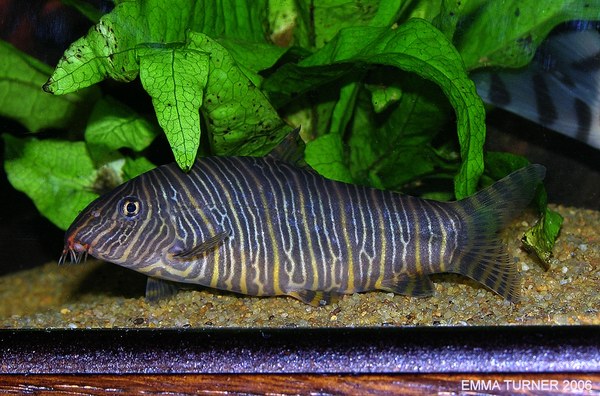
Credit: www.loaches.com
Tankmates for Zebra Loaches
Zebra Loaches are peaceful but active fish. Choose tankmates carefully. Good tankmates include:
- Small to medium peaceful fish (tetras, rasboras, danios).
- Bottom dwellers like Corydoras catfish.
- Non-aggressive fish that swim in the mid or top levels.
Avoid very shy or slow fish. Zebra Loaches can be boisterous and may stress quiet fish.
Behavior of Zebra Loaches
Zebra Loaches are social fish. They form groups with clear hierarchies. Watch them to see their interesting behaviors:
- They like to swim together and rest in groups.
- Sometimes they chase each other playfully.
- They use their barbels to search for food in the sand.
- They hide when feeling scared or stressed.
Providing plenty of hiding spots helps them feel safe. A group with five or more reduces stress.
Common Health Issues
Zebra Loaches are generally healthy. But they can have some problems:
- Barbel erosion: Caused by rough gravel or poor water quality.
- Ich (white spot disease): A common fish illness from parasites.
- Stress: From poor water, bad tankmates, or small groups.
Keep the tank clean. Use soft substrate. Keep water parameters stable. This prevents health problems.
Tips for Successful Zebra Loach Care
- Keep a group of at least five Zebra Loaches.
- Use a fine sandy substrate for their barbels.
- Provide plenty of hiding places.
- Maintain clean and well-oxygenated water.
- Feed a varied diet including sinking foods and live treats.
- Choose peaceful and active tankmates.
- Test water regularly for ammonia, nitrites, and nitrates.
With proper care, Zebra Loaches can live 5 to 8 years in your tank.
Frequently Asked Questions
How Many Zebra Loaches Should Be Kept Together?
Keep zebra loaches in groups of at least five to promote natural social behavior and reduce stress. Larger groups enhance interaction.
What Size Tank Do Zebra Loaches Need?
Zebra loaches need a minimum 30-gallon tank for a group of five or more. A longer tank with hiding spots ensures comfort and natural behavior.
Do Zebra Loaches Eat Algae?
Zebra loaches occasionally eat algae but mainly prefer live or frozen foods. They help control algae lightly.
What Is The Lifespan Of A Zebra Loach?
Zebra loaches live 8 to 10 years with proper care. Maintaining clean water and a balanced diet extends their lifespan.
How Many Zebra Loaches Should Be Kept Together?
Zebra Loaches need groups of at least five to feel safe and show natural behavior.
What Size Tank Is Best For Zebra Loach Care?
A tank of 30 gallons or larger with more horizontal space works best for Zebra Loaches.
What Substrate Is Ideal For Zebra Loach Tanks?
Fine sandy substrate protects their sensitive barbels and encourages natural digging.
What Are The Best Hiding Spots For Zebra Loaches?
Use caves, driftwood, and plants to create secure hiding places for them.
Conclusion
Zebra Loaches are great fish for freshwater tanks. They are fun to watch and easy to care for. Remember to keep them in groups, provide hiding spots, and maintain good water quality. These steps help Zebra Loaches live happy and healthy lives.
If you want an active, peaceful fish that adds beauty to your aquarium, Zebra Loaches are a good choice.