
If you’re thinking about adding Tinfoil Barbs to your aquarium, knowing how to care for them is key to keeping them healthy and happy. These striking fish are energetic swimmers with a peaceful nature, but they do have specific needs that can make or break their well-being.
You might be wondering how many Tinfoil Barbs to keep together, what kind of tank mates work best, or how to avoid common mistakes that could stress your fish. In this guide, you’ll discover everything you need to know about Tinfoil Barb care—so you can create the perfect environment for these beautiful “gentle giants” and enjoy watching them thrive in your tank.
Don’t miss out on these essential tips that will save you time, money, and frustration!

Credit: www.youtube.com
Species Profile
The species profile of the Tinfoil Barb reveals fascinating details about this popular aquarium fish. Understanding its physical traits, natural environment, and growth helps in providing proper care. This knowledge ensures a healthy and happy Tinfoil Barb in your tank.
Below are key aspects of the Tinfoil Barb’s biology and lifestyle.
Physical Characteristics
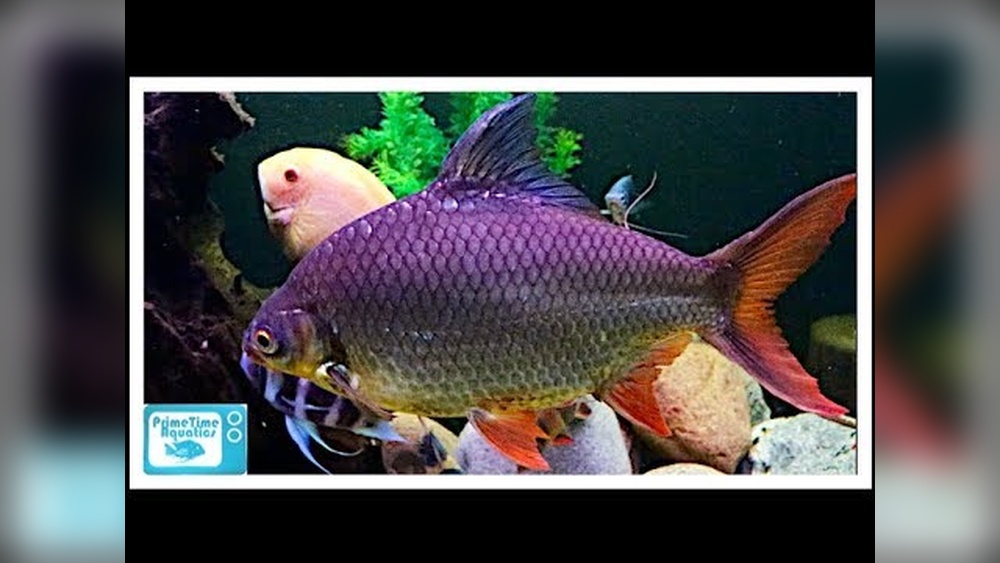
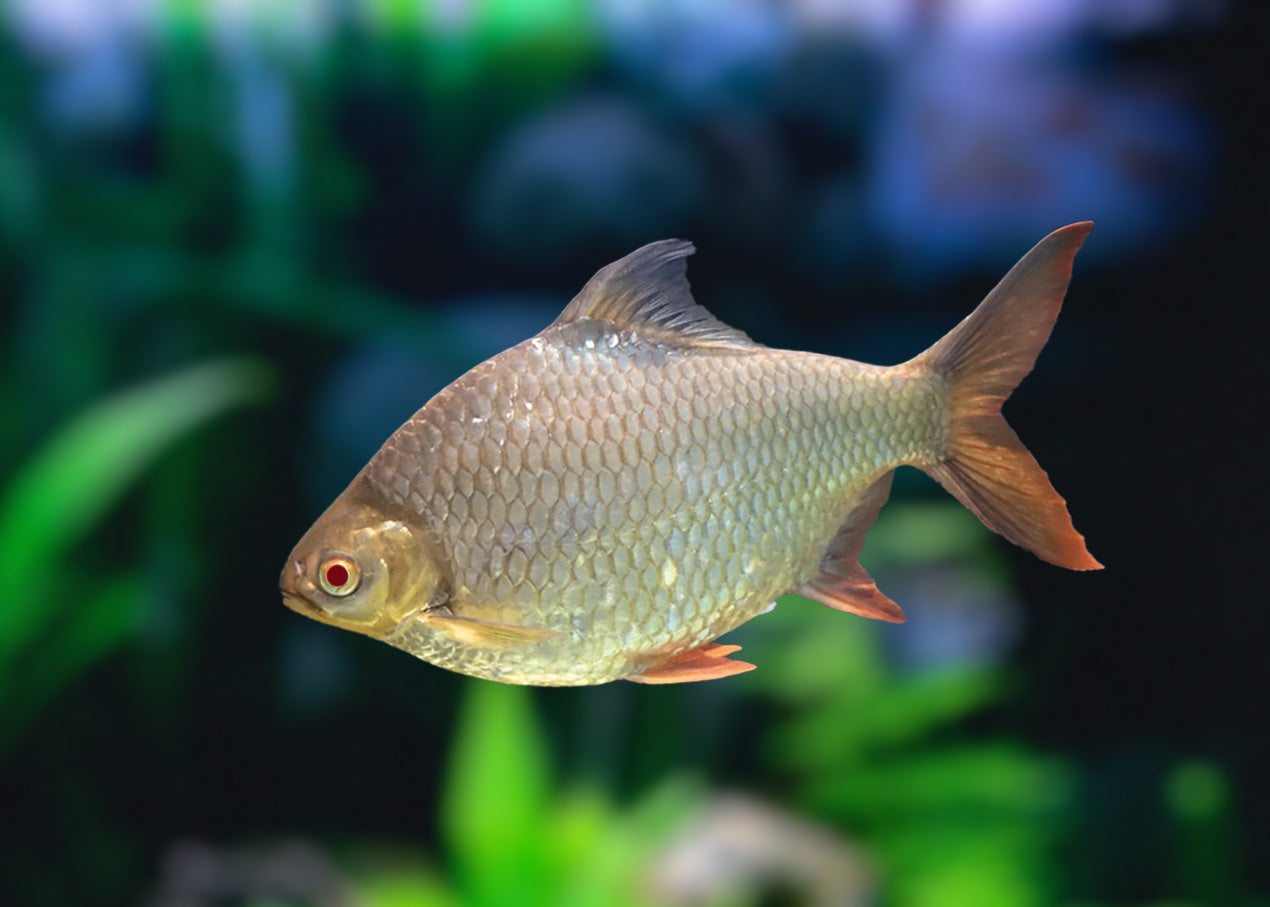
Tinfoil Barbs have a shiny, silver body with a hint of gold. Their scales reflect light, giving a tinfoil-like appearance. They have red or orange fins, which stand out vividly. These fish have a streamlined shape, built for fast swimming. Their size and bright colors make them a striking addition to any aquarium.
Natural Habitat
They come from large rivers and floodplains in Southeast Asia. These areas have warm, flowing water with plenty of plants and hiding spots. The water is usually soft to moderately hard with a neutral to slightly acidic pH. Their natural habitat supports their active swimming and schooling behavior.
Lifespan And Size
Tinfoil Barbs live up to 10 years with good care. They can grow quite large, reaching up to 14 inches in length. Their size requires a spacious tank to swim freely. Knowing their potential size helps in planning the right aquarium setup.
Credit: coburgaquarium.com.au
Tank Setup
Setting up the right tank is key for healthy Tinfoil Barbs. These fish grow large and need space to swim actively. A well-prepared tank keeps them happy and reduces stress. Attention to water quality and proper equipment helps maintain their health.
Careful planning of tank size, water conditions, and filtration creates the best environment for Tinfoil Barbs. Below are important points to consider for an ideal tank setup.
Tank Size Requirements
Tinfoil Barbs need a large tank due to their size and activity. A minimum of 75 gallons is recommended for a small group. Larger tanks allow them to swim freely and reduce aggression. Keep at least five Tinfoil Barbs together to satisfy their schooling nature. Avoid small tanks as they cause stress and stunted growth.
Water Parameters
Maintain stable water conditions for Tinfoil Barbs. Ideal temperature ranges from 72°F to 79°F (22°C to 26°C). pH should be between 6.5 and 7.5 for best health. Keep water hardness moderate, around 5 to 15 dGH. Regular water changes help remove toxins and keep the water fresh.
Filtration And Aeration
Strong filtration is essential for Tinfoil Barbs. They produce a lot of waste, so use a filter rated for a larger tank. Choose filters that provide both mechanical and biological filtration. Good aeration keeps oxygen levels high and supports fish activity. Air stones or powerheads improve water movement and oxygen distribution.
Feeding Tips
Feeding your Tinfoil Barb properly supports its health and vibrant colors. Understanding their feeding habits ensures they get enough nutrition without overfeeding. This section guides you through the basics of feeding Tinfoil Barbs effectively.
Dietary Needs
Tinfoil Barbs are omnivores. They need a mix of plant and animal foods. A balanced diet keeps them active and healthy. Include both protein and vegetable matter in their meals. This variety mimics their natural diet in the wild.
Feeding Frequency
Feed your Tinfoil Barb twice a day. Give small amounts they can eat within two minutes. Avoid overfeeding to prevent water pollution and health issues. Young barbs may eat more often but keep portions moderate.
Suitable Foods
Offer high-quality flake or pellet food as the main diet. Supplement with live or frozen foods like bloodworms and brine shrimp. Add fresh vegetables such as spinach or peas occasionally. This mix promotes strong growth and color.
Behavior And Temperament
The behavior and temperament of Tinfoil Barbs make them unique aquarium residents. These fish are lively and fun to watch. Their actions affect how well they live with other fish. Understanding their nature helps create a happy tank environment. Tinfoil Barbs have a mix of calm and energetic traits that define their daily life in the aquarium.
Activity Levels
Tinfoil Barbs are very active swimmers. They love to explore the whole tank. This high energy keeps them moving most of the day. They enjoy swimming in groups and need plenty of space. A small tank can stress them and limit their natural behavior. Their constant motion adds life and excitement to your aquarium.
Interaction With Tank Mates
These barbs are schooling fish and prefer company. They do well with other large, active fish. Good tank mates include silver dollars and large cichlids. They tend to avoid small or slow fish. Smaller fish may become targets or get stressed. Grouping Tinfoil Barbs helps reduce stress and bullying within their species.
Aggression And Fin Nipping
Tinfoil Barbs are mostly peaceful but can nip fins. This happens especially with slow or timid fish. Their size and speed give them an advantage. Aggression is usually mild and linked to competition. Keeping them in groups of five or more lowers aggression. Proper tank size and mates help prevent fin nipping issues.
Tank Mates Selection
The Tinfoil Barb is a large and active fish. Choosing the right tank mates is important for their well-being. They swim fast and need plenty of space. Aggressive or very small fish can cause problems. Tank mates must be strong and able to keep up.
Careful selection ensures a peaceful and healthy aquarium. It prevents stress and fin nipping. The right companions help the Tinfoil Barbs feel secure and thrive.
Compatible Species
Good tank mates include other large, peaceful fish. Silver dollars and Bala sharks match their size and energy. Large cichlids with calm behavior also work well. Catfish that are robust and bottom dwellers fit nicely. These species can handle the Tinfoil Barb’s active nature.
Species To Avoid
Small, slow, or shy fish should be avoided. They may get bullied or outcompeted for food. Tiny fish risk being nipped or eaten. Avoid delicate species that cannot handle fast swimmers. Aggressive fish that fight often also cause stress. Keep the tank peaceful with balanced companions.
Schooling And Group Size
Tinfoil Barbs are schooling fish. They feel safer and less stressed in groups. A minimum of five should be kept together. This group size helps reduce bullying within the species. A proper school also encourages natural swimming behavior. Lone Tinfoil Barbs may become shy or aggressive.
Health And Maintenance
Keeping Tinfoil Barbs healthy requires regular care and attention. Their large size and active nature demand a well-maintained environment. Proper health and maintenance help prevent diseases and promote vibrant behavior. Understanding common health issues and maintaining clean water are key.
Common Diseases
Tinfoil Barbs may suffer from fungal infections, ich, and fin rot. These diseases often result from poor water conditions or stress. Early signs include white spots, frayed fins, or lethargy. Quarantine new fish to prevent spreading infections. Treat symptoms quickly with aquarium-safe medicines.
Water Quality Management
Stable water quality is vital for Tinfoil Barb health. Maintain temperature between 72°F and 79°F (22°C to 26°C). Keep pH levels near 6.5 to 7.5. Use a reliable filter to remove waste and toxins. Test water weekly for ammonia, nitrites, and nitrates. Perform partial water changes regularly to keep water fresh.
Regular Tank Cleaning
Cleaning the tank prevents disease and keeps fish active. Remove uneaten food and debris daily. Clean the substrate with a gravel vacuum during water changes. Rinse filter media in tank water to avoid killing beneficial bacteria. Avoid harsh chemicals that can harm fish. A clean tank supports a healthy ecosystem for Tinfoil Barbs.
Breeding Tips
Breeding Tinfoil Barbs can be rewarding with the right care and setup. Understanding their needs during breeding ensures better success. This section covers essential tips for breeding these vibrant fish in your aquarium.
Breeding Conditions
Tinfoil Barbs need warm water between 78°F and 82°F. Keep the pH level slightly acidic to neutral, around 6.5 to 7.0. Provide a large tank, at least 75 gallons, for space and comfort. Use fine-leaved plants or spawning mops for egg laying. Maintain clean water with gentle filtration to avoid disturbing the eggs. Increase feeding with high-quality live or frozen foods to prepare the fish for breeding.
Spawning Behavior
These barbs spawn in pairs or small groups. They scatter eggs among plants or spawning mops. Males chase females gently during courtship. Spawning usually happens early in the day. After laying eggs, adults do not guard them. Remove the adults after spawning to prevent eating the eggs. Expect around 1000 eggs from one spawning event.
Raising Fry
Fry hatch in about 24 hours. Keep the tank dark and quiet to reduce stress. Feed fry with infusoria or liquid fry food at first. After a few days, offer newly hatched brine shrimp or finely crushed flakes. Change water regularly but gently to keep it clean. Separate fry into smaller groups as they grow to reduce competition. Provide hiding spots with plants or decorations for protection.
Common Mistakes
Keeping Tinfoil Barbs healthy and happy requires attention to common mistakes many aquarists make. Avoiding these errors ensures your fish thrive and the tank environment stays balanced. Simple care details often get overlooked, leading to stress or illness in your Tinfoil Barbs. Understanding what not to do is as important as knowing what to do.
Overcrowding
Tinfoil Barbs grow quite large and need space to swim freely. Overcrowding stresses them and causes aggression. Crowded tanks reduce oxygen levels and increase waste quickly. Keep enough space by following the recommended tank size and number of fish. A spacious tank helps maintain water quality and fish health.
Improper Tank Mates
Tinfoil Barbs are active and fast swimmers. They can nip fins of slow or shy fish. Avoid small or timid species that get bullied easily. Choose tank mates that match their size and energy. Large cichlids or silver dollars work well as companions. Proper tank mates reduce stress and aggression.
Neglecting Water Parameters
Stable water conditions are key for Tinfoil Barb care. They need clean, well-filtered water with regular changes. pH should stay between 6.5 and 7.5. Temperature must be steady around 72-77°F (22-25°C). Ignoring water tests leads to poor health and disease. Frequent monitoring keeps your tank safe and fish happy.

Credit: aquariumstoredepot.com
Frequently Asked Questions
How Many Tinfoil Barbs Should Be Kept Together?
Keep Tinfoil Barbs in groups of at least five to prevent bullying and promote natural schooling behavior.
Are Tinfoil Barbs Aggressive?
Tinfoil Barbs are generally peaceful but can show semi-aggressive behavior. They may nip fins of smaller, slow fish. Keep them in large tanks with similar-sized, robust companions. Schooling in groups of five or more reduces internal aggression. Avoid housing them with small, timid species.
Are Tinfoil Barbs Easy To Care For?
Tinfoil Barbs are relatively easy to care for but need a large tank and group of five or more. They thrive with active, similarly sized tank mates. Avoid housing them with small or timid fish due to their fast swimming and occasional fin-nipping behavior.
Do Tinfoil Barbs Need A Heater?
Tinfoil Barbs thrive best in water temperatures between 72-82°F (22-28°C). Use a heater to maintain this range.
How Many Tinfoil Barbs Should Be Kept Together?
Tinfoil Barbs are schooling fish and do best in groups of five or more.
What Size Tank Is Ideal For Tinfoil Barbs?
A tank of at least 100 gallons is recommended for their large size and activity.
Are Tinfoil Barbs Aggressive Towards Other Fish?
They are generally peaceful but may nip fins of smaller, slower fish.
What Are Suitable Tank Mates For Tinfoil Barbs?
Good companions include bala sharks, silver dollars, and large, robust cichlids.
Conclusion
Tinfoil barbs need space to swim and friends to stay happy. Keep them in groups of five or more for best results. Choose tank mates that are large and fast to avoid problems. Feed them varied food to keep them healthy and active.
Watch their behavior to ensure peaceful aquarium life. Proper care helps these fish thrive and brighten your tank. Enjoy their lively presence with the right setup and attention.